
Reporting Back...
In my last post, I wrote of leaving for a writing retreat. Here is my report about how it went, what I learned, and why I think it was the best thing I’ve done for myself in a long time.

I’d never been on a writing retreat before, but I always wanted to go on one. I’ve long carried a vision in my head of what the perfect writing retreat would look like: It would be held in a pastoral setting that would include a cabin where sequestered away from the outside world I could write at my desk, while also having breaks away from writing where I could rub elbows with other writers and learn from them.
Attending a writing retreat was not something I planned on this year. My husband and I had taken a cruise to the Panama Canal during the first half of March, so my plans for travel throughout the rest of year were limited to visiting my children and grandchildren who live out of state, and perhaps, I might even be able to visit a dear lifelong friend who lives in Vermont.
Otherwise, I planned on staying home, working on my memoir, hoping to make some progress on it.
I also hoped to make progress on doing some Swedish death cleaning as my oldest daughter has been strongly urging me to do: “Mom, we don’t want to have to clean out all of your stuff after you are gone. Get rid of it!”
All of those plans went out the window when I just happened onto a post on Sari Botton’s Memoir Monday offering midway through April. The words: Scroll down to the bottom for so many great workshops, stirred up my curiosity. I guess I’m always looking for great workshops when it comes to writing, even if I am not planning on going on a retreat, so scrolled to the bottom.
A retreat called: The Motherlode Retreat captured my attention, but these words are what drew me in to explore what this retreat was all about:
“Have you or someone you know found it challenging to write about your relationship with your mother?”
I wrote a bit about my mother in my last post, which my oldest daughter, always my best editor and a critic I deeply trust, described as boring. She was not wrong. I can’t seem to write about my life or my mother for reasons some of you whom also may have a complex and confusing relationship with your mother may understand.
I tend to write in an academic style. I also realize that I write memoir as a journalist would write. Let’s put it this way: I have a lot to learn when it comes to making my words come alive on the page.
That is one reason I wanted to go on this retreat. I needed the eyes and ears of other writers on my work. I needed to listen and learn from other writers. I was stuck when it came to my writing, and I needed Diana Friedman to hand me the key that would allow me to “explore how to unlock my matrilineal relationship” so I could more freely and honestly write my story in my own voice.
The Setting
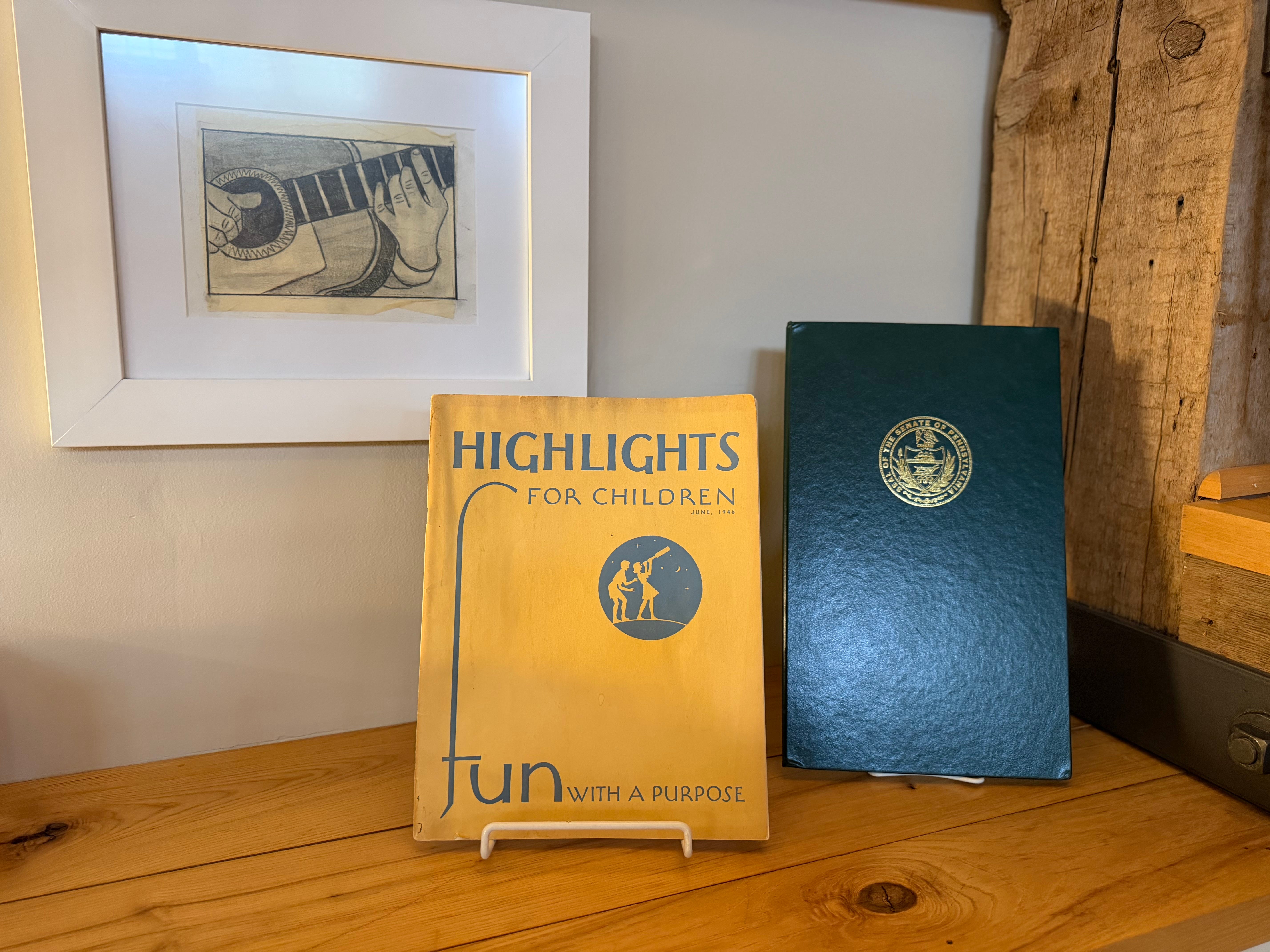
When I saw the photos of where the retreat was to be held, I knew this place checked all the boxes for what a perfect writing retreat spot would look like. What I did not know was how perfect Boyds Mill is for such a retreat and why. It is in an idlilic location near the Pocono Mountains in Pennsylvania. Little did I know how much the history of the place would play into making it the perfect place for writers to gather. The site is located at the home of the founders of Highlights Magazine. Everything is designed to serve the writers who meet there, whether it is as individuals or groups. And they serve three meals a day! The food is delicious and served with style and class by chefs who take great pride in making each meal a delight.
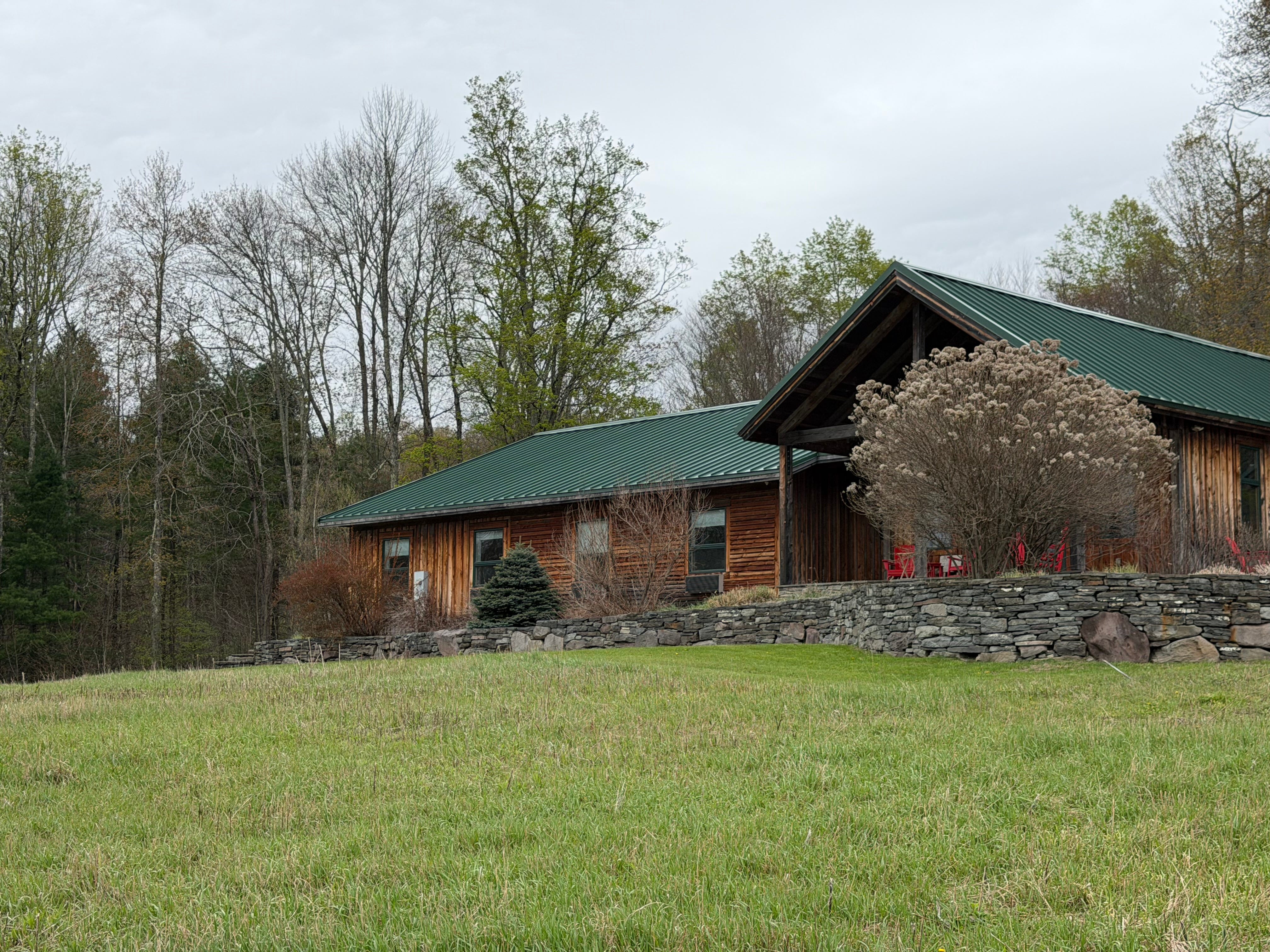
I’d forgotten how much joy fills my soul when I see fields of dandelions and wild violets in bloom until I got to Boyds Mill, nor did I know how much I missed walking all alone along a stream in the woods.
I’m a mountain girl at heart. My heart comes more fully alive when I am in the mountains, even if those mountains are nothing like the mountains of my home state of Colorado.
Being away from my urban life connected me to the earth again.
Memories long forgotten were awakened. I remembered young girl dreams and a childhood where we often spent time in the mountains where I took in the beauty of nature.
The Plan and The Purpose
I did not know Diana Friedman1 or anything about her when I first read about the retreat she was offering. But after I read these words,
What is the Motherlode? Is it the gift of love, creativity, compassion and strength we've received from our mothers that we carry through our lives? Or is the Motherlode more of a Motherload; a weight or sadness or dysfunction passed down to us through the motherline from our mothers who could not, for whatever reason, properly mother us?
I knew I had to attend the workshop she was offering. I talked to my husband about it and spoke of my long held writer’s dream of attending such a retreat. Then I headed to my computer, and with his full support, I quickly signed up for it, paid for it, and made plans to travel to it, even though attending meant I would have to travel by air halfway across the country.
At my age, I don’t make such plans lightly. Travel is hard once one reaches one’s 80’s, and I was not sure I could actually pull it all off without feeling depleted and overwhelmed.
I left a day early, thereby giving myself an additional time of rest in Scranton, PA. This was a good plan since I left my home at 3:00 a.m. the day before the retreat was to begin.
I arrived at Boyds Mill for the Motherlode Retreat refreshed and very excited.
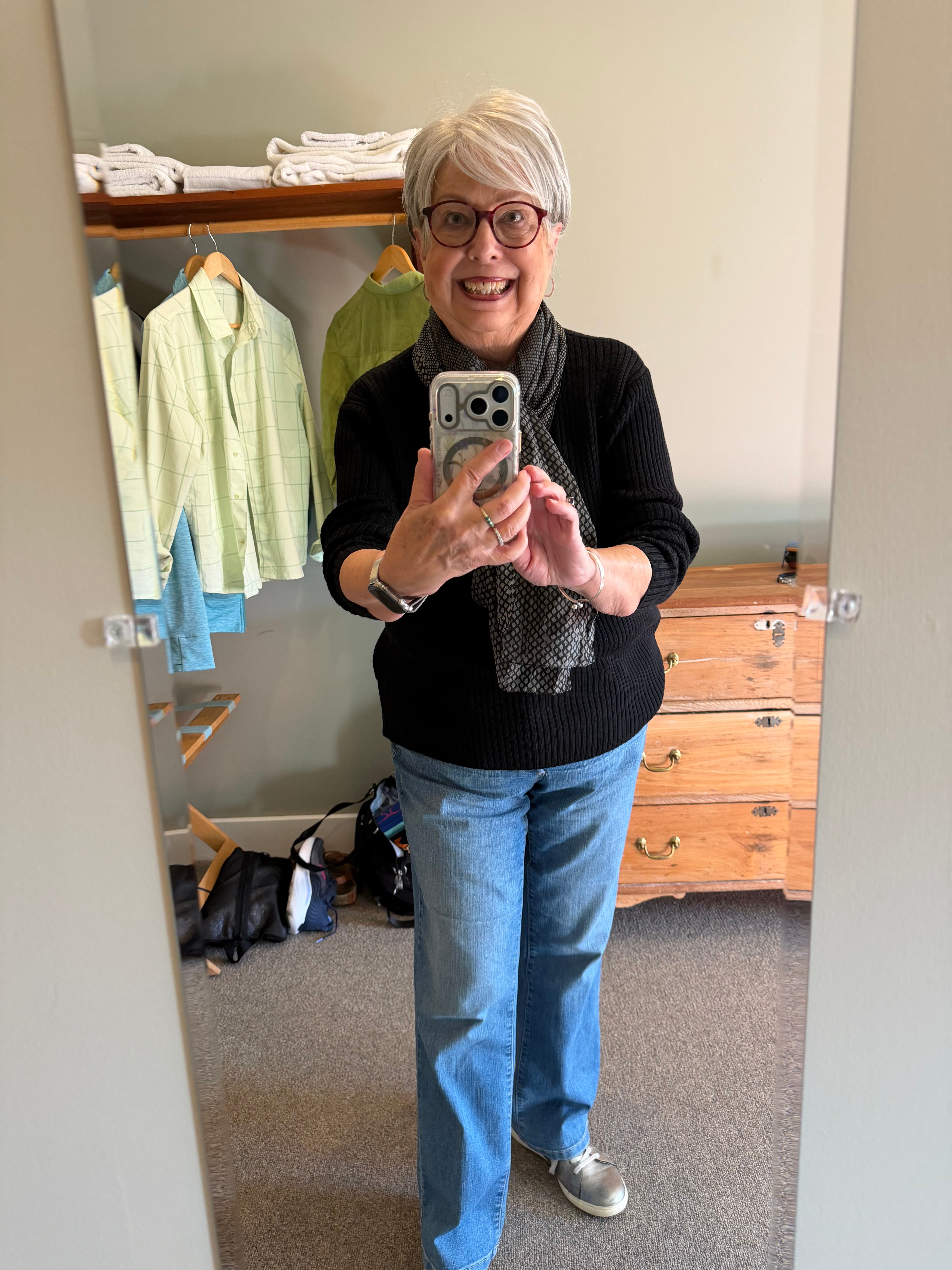
I am happy to report the retreat did not deplete me. It inspired me. It woke me up to my love of learning. I met other gifted, and oh so smart and accomplished women. I began to see things in new ways when it comes to writing in general, and my writing in particular. I listened to others share their thoughts, their stories, and listened to them read their writing.
I felt seen, heard, valued. I learned while writing can lonely work, it is also work that needs the eyes and ears of others who are insightful, supportive and kind. I found a treasured community of writers.
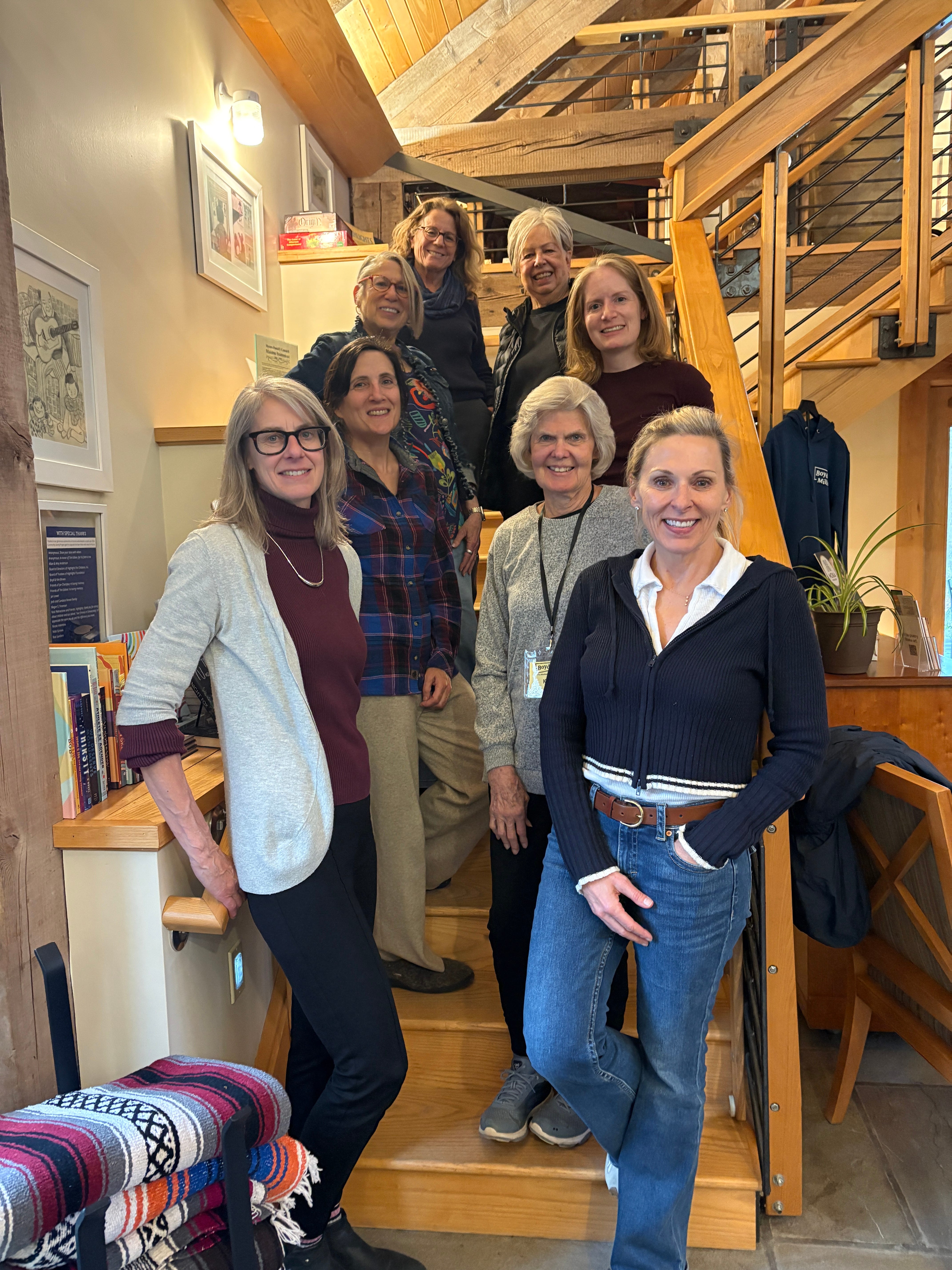
Diana cracked the motherlode wide open. I began to see rich veins of silver in my story, some veins of which I may have thought of as coal before, and not as silver. She was able to do this as a teacher because she has done the work to heal from her own mother wound while also learning more about the subject and how to write about it.
Writing
One does go on a writing retreat to write. The stimulation of learning, discussing what we were learning often left me with so much nervous energy I had a hard time settling down during our writing time to write.
One afternoon, I took a walk along the stream trying to find focus and inspiration. When I came back to my room, I paced and pondered until I gave up or gave in to how tired I suddenly felt and took a nap. I set an alarm so I would be awake for the next session. Before the alarm went off, I woke up, picked up my notebook and began to write a poem.
 My mother, an artist,
taught me to see light and shadow.
To paint a landscape,
the artist must capture both,
my mother said.
I am not an artist,
but I see light and shadows,
and the way landscapes change
when the light shifts
casting shadows where there were none
earlier in the day.

My mother taught me to see
light and shadow
except at home.
At home,
I saw harm lurking in the shadows.
"There’s nothing there,"
she’d say.
I would have liked my own flashlight
so I could be sure.
I’d have liked to shine a light on those shadows,
but her denials
of what I felt and sensed were
strong,
insistent,
dismissive.

I never had any interest in paint brushes.
I would have preferred a pen,
a pencil,
a typewriter,
a keyboard
to create stores about the landscape of my life,
one filled with both
 light and shadows.

At home,
I did not have a journal.
I did have notebooks.
I do not open my open my notebook.
I do not pick up a pen.
I see the light.
I see the shadows,
but
I do not use my pen
to write about the landscape of my life
because I am
afraid.

I know no one,
not even me,
 wants to see,
to admit,
or to shed light on,
what I know is there
lurking in the shadows.
Memoir writing is hard. It involves recalling memories that are hard, many of which have been long buried. Diana says memoir involves both voluntary and involuntary recall of memories. The poem came to me as an involuntary memory of how my mother would talk to me about how to paint a landscape when I was young and she spoke of developing a painter’s eye.
I was not an artist. I had none of her talent. I preferred reading, and dreaming of writing, but I was afraid to write as child, and as a young adult because I chose to keep my thoughts, my insights, my fears, my emotions, my feelings safe from those who would dismiss them or worse yet say what I was seeing or feeling was not true.
One of the phrases I heard over and over throughout my life from my mother was, “Sally, you don’t feel that way,” or the alternative which was, “Sally, don’t feel that way.” I wanted to say in return, “Well yes, actually I do feel that way,” but that was not allowed. Speaking about feelings might make someone feel bad, or it might cause division, or it might show me not to be a nice girl who kept my mouth shut. “Don’t go blabbing everything you see happening here to the whole world,” was the message I received loudly, clearly.
Afterward
I suppose that one must always go home after such life giving experiences. The key is to keep the momentum going when one get home. Before we left for home, we had the opportunity to reflect on the experience by thinking about and responding to some questions that Diana had for us. I wrote:
My dying dream of writing a book was revived and became a possibility again.
I learned:
I need to get out of my writing practice rut that was getting me nowhere.
I need to ask for help when I’m stuck - look for the helpers. Writing needs the eyes and ears of others.
I learned I can still think outside of the box, see things in new ways and try new things.
I found the project I have long worked on, the memoir that is now just a bunch of words going nowhere has found new ideas about a new shape for the story. I think I have found a form for the story in which I can function.
Three steps I hope to take to keep going:
Touch my project every day. Open Scrivener2 and use it without being intimidated by it. 3
Establish outside accountability and maintain it with no excuses.
Explore the idea I have for the structure of the work while remaining flexible within it. Be open to change in form, scope, and structure as I go along if change is needed.
Wish me luck.
XO
Sally
Diana Friedman is on Substack. Click on this link or the one above to find her Substack.
Scrivener is a program for writers I have long had on my computer, and sometimes I actually use it when I am writing, but it has long intimidated me, and when I don’t use it consistently, I find myself frustrated because I have to relearn it. I am trying to change that trait by using it daily, if only to add a few notes on what I am thinking about when it comes to writing my memoir.
I am touching my project daily, and working on it bit by bit. Hey, my resolution to do so has lasted over a week, so yay me!
I did find a winner. It truly was a time when I grew in new ways and found important keys to how to move forward with something I’ve worked on for a long time.
Thank you for reading, commenting, and sharing.
Thank you Sally for this wonderful post and your words of high praise for the retreat. Val and I are really happy how much you got out of it and how it opened up new ideas and approaches for you. We aim to be the opposite “oversold and underwhelming” and we’re honored you add the trip to be with us. It’s wonderful to read some of your writing here and we look forward to seeing how you stretch and grow and build momentum writing your stories!